Real Estate Image Optimization: Compress MLS & Listing Photos Free

Real estate platforms are image-heavy by nature. A typical listing has 15-30 high-resolution photos, and most are uploaded by agents without any optimization. That adds up fast.
These bloated images create three problems: slow page loads that hurt SEO rankings, high bandwidth costs at scale, and frustrated buyers who bounce before the kitchen photo even renders.
We ran a benchmark using the LighterImage Image Compressor Actor on real listing photos to measure exactly how much WebP compression can help. The results were striking.
The Benchmark Results
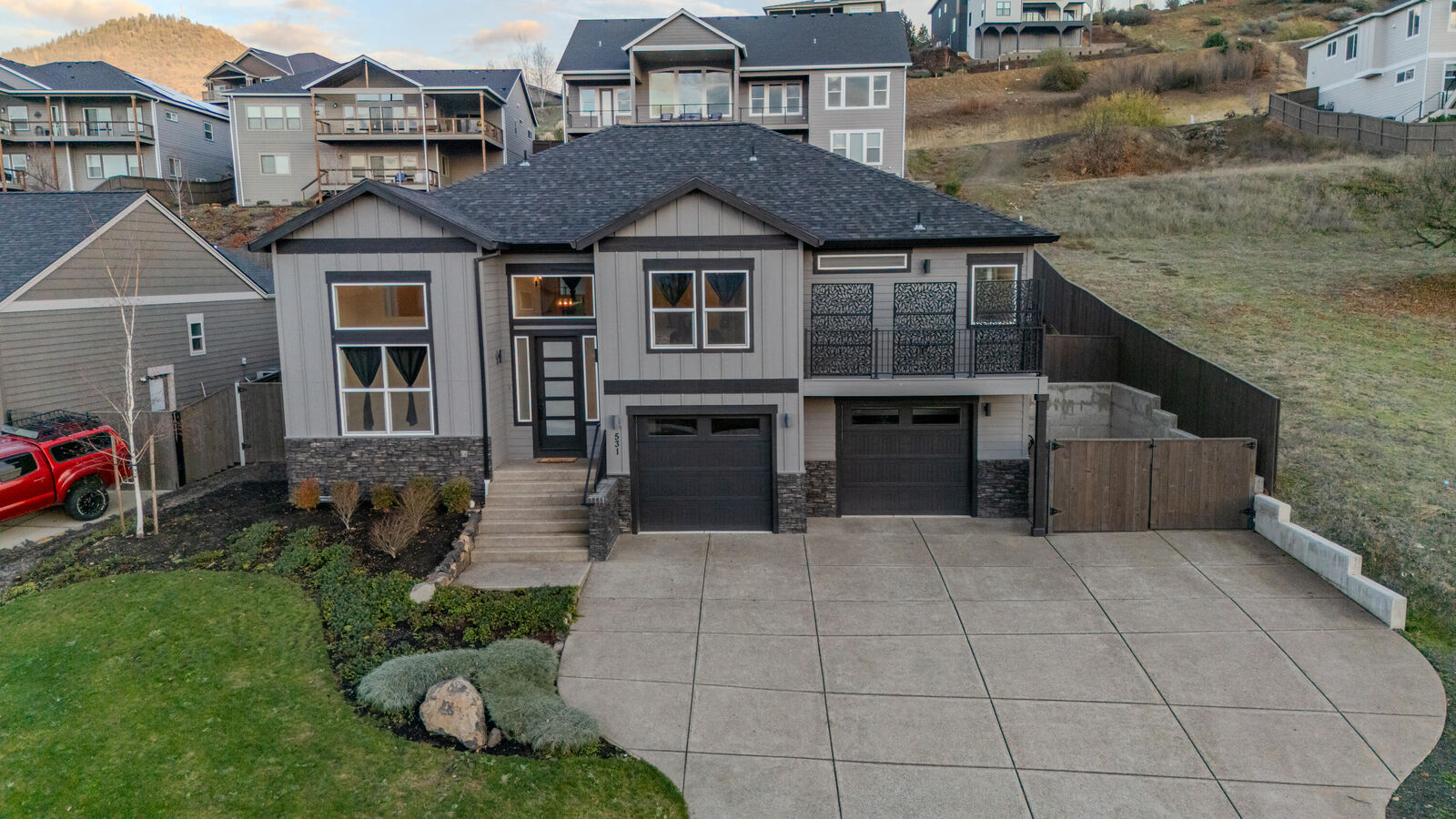
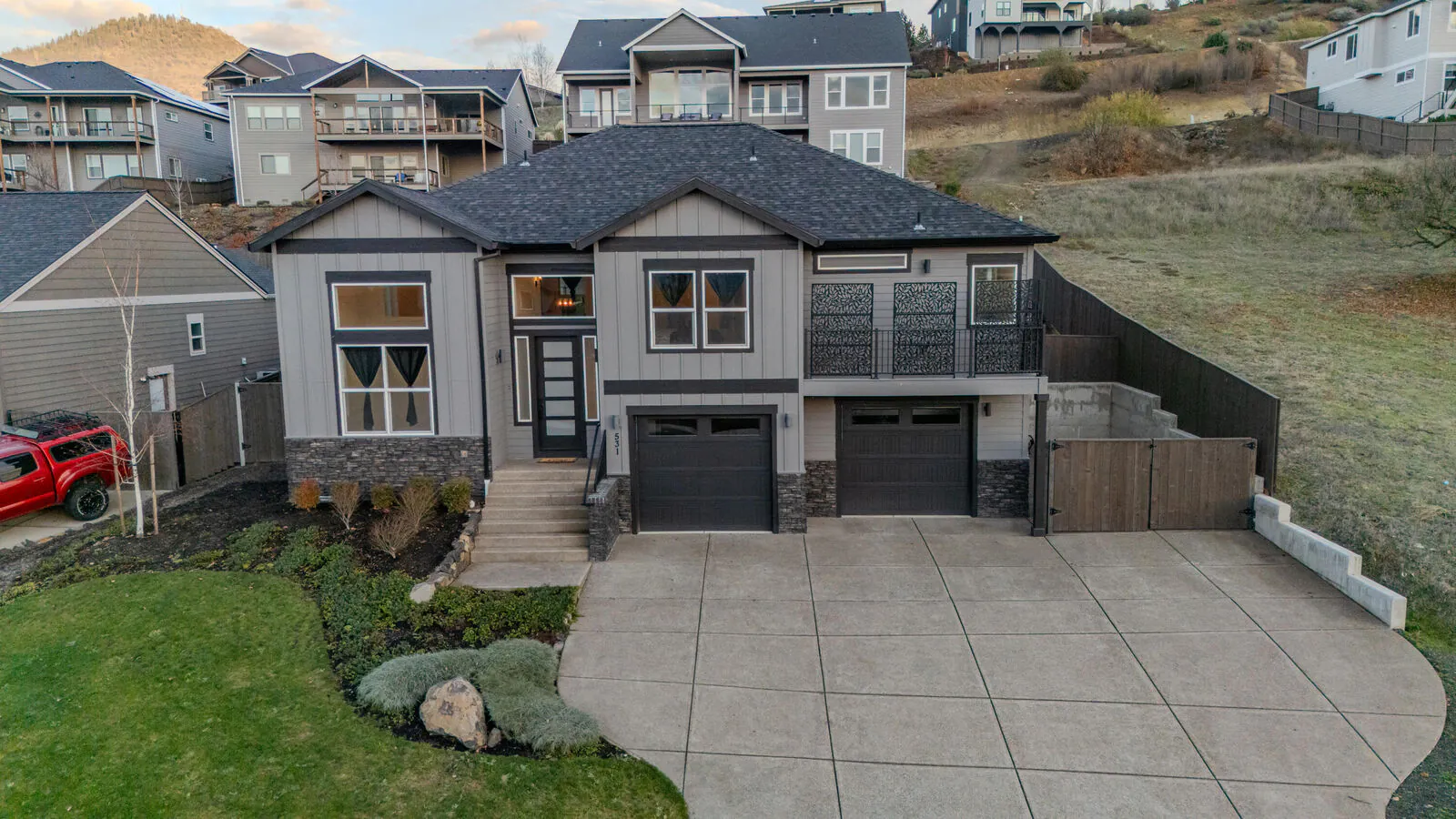
We tested 15 real estate listing images covering typical property photos: exteriors, interiors, kitchens, bedrooms, and outdoor spaces. Every image was processed at quality level 80 with WebP output.
The overall results:
- WebP size reduction: 47.5% average
- JPEG compression: 38.9% average
- Processing speed: 4.84 images per second
- Success rate: 100%
Some room types compressed better than others. Dining rooms and kitchens with detailed textures saw up to 66% reduction, while bedrooms with simpler compositions still achieved 45%.
Individual Image Results
Here is how specific room types performed:
- Dining Room: 206 KB to 71 KB (66% savings)
- Kitchen: 142 KB to 57 KB (60% savings)
- Bathroom: 170 KB to 73 KB (57% savings)
- Suburban Home Exterior: 171 KB to 74 KB (57% savings)
- Living Room: 175 KB to 77 KB (56% savings)
- Luxury Pool: 188 KB to 87 KB (54% savings)
- Backyard: 183 KB to 94 KB (48% savings)
- Master Bedroom: 432 KB to 239 KB (45% savings)
Scale Projection
For a platform processing 10,000 listings per month with 15 images each, the numbers look like this:
- Monthly bandwidth before: 33 GB
- Monthly bandwidth after: 17.3 GB
- Bandwidth saved: 15.7 GB per month
- CDN cost savings: $1.26/month (at $0.08/GB)
- Page load improvement: ~50% faster image rendering
At higher volumes (100K+ listings), savings scale proportionally. A platform handling 100,000 listings monthly would save over 150 GB in bandwidth.
Why WebP?
WebP is not new technology—Google released it in 2010—but browser support only reached critical mass recently. Per Can I Use, 97%+ of browsers now support WebP natively.
According to a compression study by Google, WebP files are typically 25-34% smaller than comparable JPEGs. For real estate photos with lots of color gradients and fine details, the savings are often even higher.
LighterImage Image Compressor Actor
The LighterImage Image Compressor is an Apify Actor designed for exactly this use case. It accepts image URLs, compresses them using Sharp with WebP output, and returns optimized files ready for your CDN.
Key features for real estate platforms:
- URL-based input: Pass image URLs directly—no need to download first
- WebP conversion: Automatic conversion to modern WebP format
- Quality control: Configurable quality level (default 80)
- Batch processing: Handle multiple images in a single run
- Chainable: Use as a post-processor for any Apify scraper
Implementation Options
There are two approaches to integrate the actor into your platform:
Option 1: Chain with Real Estate Scrapers
If you are aggregating listings from sources like Redfin, Zillow, or Realtor.com using Apify scrapers, chain the Image Compressor as a post-processor. After your scraper collects listing data, automatically pass the photo URLs to compression:
- Run your listing scraper: Pull property data including photo URLs
- Chain the Image Compressor: Configure it to receive the scraper's output
- Collect optimized images: Download WebP files from the actor's key-value store
- Store and serve: Upload to your CDN for fast delivery
This workflow runs entirely on Apify's infrastructure—no server management required.
Option 2: API Integration
Call the actor directly from your application using the Apify API. When agents upload photos or your system ingests new listings, trigger compression on demand. The actor accepts a list of image URLs, processes them in parallel, and returns optimized WebP files ready for your CDN.
Apify provides client libraries for JavaScript, Python, and other languages—or you can call the REST API directly. See the actor documentation for integration examples.
Option 3: Standalone Batch Processing
For one-time migrations or periodic optimization runs, use the actor directly from the Apify Console. Paste your image URLs, configure settings, and download the results.
Frequently Asked Questions
How much can WebP compression reduce real estate photo file sizes?
In our benchmark of 15 real estate photos, WebP compression reduced file sizes by an average of 47.5%. Individual results ranged from 45% (master bedroom) to 66% (dining room), depending on image complexity.
Is WebP supported by all browsers?
Yes. WebP is now supported by over 97% of browsers including Chrome, Firefox, Safari, and Edge. For the remaining browsers, you can serve JPEG as a fallback using the picture element or Accept header detection.
Will buyers notice quality loss in compressed listing photos?
No. At quality level 80, WebP compression produces images that are visually identical to the originals. The compression removes redundant data, not visible detail. Buyers will see the same crisp photos while pages load faster.
References
Free tier available. Chain with your existing scrapers or use standalone.